
Your back office is eating half your budget right now. Back-office functions eat up 50%+ of total operational costs in most companies. That's payroll, data entry, HR paperwork, and other stuff that doesn't make you money.
But here's what's happening: 72% of organizations outsource back office work to cut those costs in half. The companies have started doing math (for growth!).
By outsourcing, you'll save money, and you'll stop wasting your team's time on admin work. Here's a detailed guide with insights and case studies from founders to get you started with outsourcing your back office operations.
What Are Back Office Operations?
Back office operations are everything that keeps your company running, but customers never see them. Example: payroll processing, HR paperwork, data entry, HR admin, accounting, etc. It's the behind-the-scenes stuff that has to happen, but doesn't directly make sales.
It's not critical work. But if your back office fails, your front office can't function. You need both, but only front office operations directly generate revenue.
Why Companies Are Outsourcing Back-Office Work?
Companies are outsourcing back-office work for three key reasons:
- to save money.
- to focus on other important tasks.
- to scale faster.
Savings:
According to Deloitte research, 70% of busy executives cite cost reduction as the key factor in their outsourcing decisions.
Let's do quick math.
An internal bookkeeper in the US costs $45,000-$65,000 yearly, plus benefits and office space. Outsource that same work for $15,000-$25,000 annually with no benefits or space costs. That signals huge savings potential. You can invest it into sales, product development, or your pocket (profit, yeah!).
Focus:
The second reason is focus. Your team shouldn't waste time on data entry when they could chase revenue. Business owners outsource at least one function because they realize their time is worth more.
You hired smart people to grow your business. Instead, they're drowning in expense reports and invoice processing. Outsource that work, and suddenly your team focuses on what actually matters.
Scalability:
Scalability is the third big reason. You can't hire fast enough when you're growing quickly. Outsourcing partners ramp up in weeks instead of months.
Companies already outsourcing are running leaner and spending less on admin work. You're either joining them or falling behind. It has become inevitable.
What Back Office Tasks Should You Outsource First?
Start with the stuff that eats time but doesn't make you money.
1. Data Entry and Processing
You're paying someone $25/hour to copy-paste spreadsheets. That's insane. Outsource it for as low as $6/hour and pocket the difference. Your team can actually focus on work that grows revenue.
2. Payroll and HR Admin
Processing payroll takes 5+ hours per pay period for small teams. Outsourcing cuts that to zero hours for you. Plus, you dodge compliance headaches when tax laws change.
3. Accounting and Bookkeeping
A full-time bookkeeper costs $45k yearly in salary alone. An outsourced team costs $15k-20k and works faster. You get clean books without the overhead.
4. IT Support and Helpdesk
Your internal IT specialist spends half his day resetting passwords and troubleshooting minor issues. By leveraging IT outsourcing services, businesses can rely on an external helpdesk team to handle tickets 24/7 at a fraction of the cost. This allows your in-house expert to shift focus toward strategic initiatives and long-term projects that actually drive growth.
5. Order Processing and Fulfillment
Manual order entry creates errors and delays shipments. Outsourced teams process orders in real-time across time zones. Your customers get their stuff faster.
6. Customer Support (Email/Chat)
You don't need a $40k employee answering "where's my order" emails. Offshore support handles routine queries for $8/hour. Save the expensive staff for complex customer issues.
7. Compliance and Regulatory Filing
Missing a filing deadline costs you thousands in fines. Outsourced compliance teams track every deadline and requirement. You sleep better knowing nothing slips through cracks.
8. Document Management
Your team wastes 30% of their day searching for files. Outsourced doc management digitizes and organizes everything. People find what they need in seconds instead of hours.
How Back Office Outsourcing Actually Works (Step by Step)?
Here's what the process really looks like.
Step 1: Figure Out What to Outsource
Audit your operations for 2 weeks. Track where your team spends time. Look for repetitive tasks that don't require strategic thinking.
Make a list of everything that's time-consuming and doesn't directly generate revenue. Those are your candidates. Don't outsource anything customer-facing or strategic until you've nailed the basics.
Step 2: Pick Your Model
You've got three options here.
i) Offshore outsourcing (Philippines, India) costs $5-12/hour, but you deal with time zones.
ii) Nearshore outsourcing (Latin America) costs $15-25/hour with easier collaboration.
iii) Onshore outsourcing (US-based) costs $20-40/hour but eliminates most communication issues.
Most companies start offshore for simple tasks. You can always switch models later if it's not working.
Step 3: Vet Outsourcing Providers Hard
Don't pick the cheapest option. You are going to make others take care of your critical business operations. So, schedule a free consultation and ask for client references.
Look for providers who've worked in your industry. Check their data security certifications. Test their communication before signing anything. A trial period isn't optional.
Step 4: Transition and Onboarding
Start with one small process. Don't hand over your entire back office on day one. Document everything about that process before the handoff.
Plan for 4-6 weeks of training and overlap. Your team needs to teach the outsourced team your systems. Yes, it's painful upfront, but it prevents disasters later.
Step 5: Ongoing Management
Set up daily check-ins for the first month. Weekly after that. Use project management tools so you can see progress in real-time.
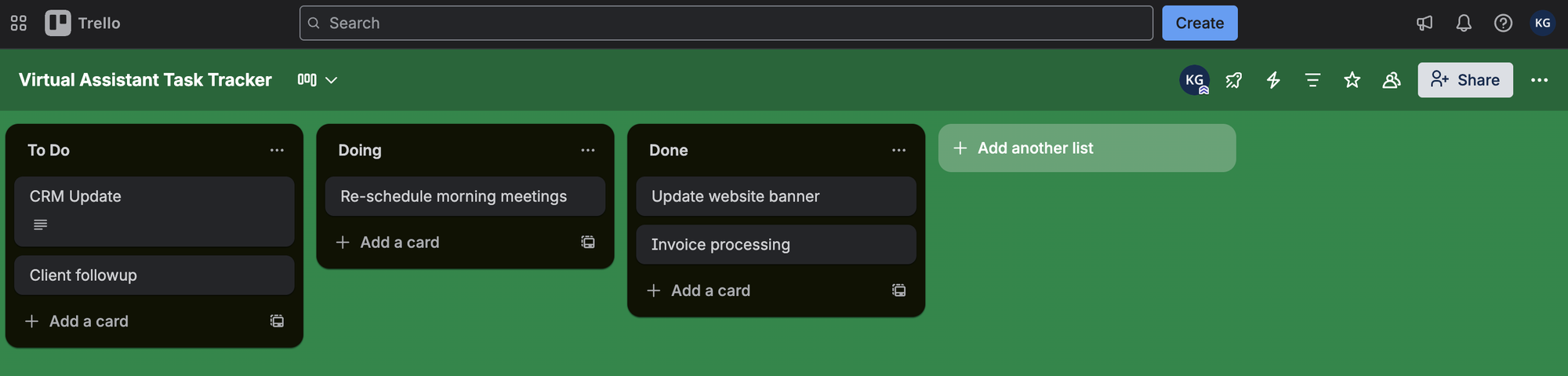
Track metrics obsessively. Error rates. Turnaround times. Cost per transaction. If something's off, you'll catch it fast. The providers who survive are the ones you manage closely.
Advantages of Outsourcing Back Office Operations
- You save money.
Move tasks offshore and cut costs by 50% or more. - You scale instantly — without hiring stress.
Need 3 accountants during tax season? Onboard in a week.
Need to reduce in July? No severance, no awkward exits.
Your outsourcing partner absorbs the staffing risk. - You access enterprise-grade tech.
Top BPOs use advanced automation, analytics, and workflow tools.
You get the benefits — without six-figure software costs. - You turn time zones into an advantage.
Manila processes invoices while you sleep.
Colombia handles tickets during your off-hours.
You operate 24/7 without paying overtime. - Your internal team focuses on growth.
Outsource payroll, data entry, and invoice processing.
Let your core team focus on revenue, strategy, and expansion.
Successful Back Office Outsourcing Stories
Most founders outsource admin work to save time. JMT Consulting outsourced and ended up transforming its entire operations engine. See how one Wishup virtual assistant evolved from inbox support to Salesforce strategist and became a finance leader’s right hand.
Read the full story here:
 Neelesh Rangwani
Challenges in Outsourcing Back Office Operations
- You lose direct control.
You can’t walk to someone’s desk.
You can’t see real-time priorities.
You’re trusting another company’s managers to care about your business as much as you do. - Communication friction is real.
Time zones stretch feedback loops.
Cultural differences cause misunderstandings.
You’ll spend hours clarifying things that would take 30 seconds face-to-face. - Quality isn’t always consistent.
You might get a strong team today and replacements tomorrow.
High turnover in BPO firms means constant retraining.
What Does Back Office Outsourcing Cost?
Offshore (Philippines, India): $8-15/hour. You're looking at $1,280-$2,400 monthly for full-time help.
Nearshore (Latin America, Eastern Europe): $15-25/hour. That's $2,400-$4,000 monthly per person. Better overlap with US time zones.
Onshore (US, Canada, Western Europe): $25-45/hour. You'll pay $4,000-$7,200 monthly. Minimal communication friction but you're not saving much vs hiring directly.
FAQs About Outsourcing Back Office Operations
How do you choose a back office outsourcing provider?
Check references from companies in your industry. Ask about their security certifications (ISO 27001, SOC 2). Test them with a small project before signing a big contract. Look at employee turnover rates — high churn means you're constantly retraining people. And make sure they've got project managers who speak your language fluently.
What's the difference between offshore, nearshore, and onshore outsourcing?
Offshore means distant countries like the Philippines or India. Nearshore is nearby countries like Mexico or Costa Rica. Onshore is within your own country. Offshore is cheapest but has bigger time zone gaps. Nearshore splits the difference. Onshore costs the most but eliminates most communication issues.
How do you keep data secure when outsourcing?
Demand encryption for all file transfers. Make sure they've got SOC 2 Type II or ISO 27001 certification. Use role-based access so people only see what they need. Run background checks on anyone touching sensitive info. And build kill switches into your contract so you can pull the plug immediately if something goes wrong.
Can you outsource back office operations if you're in a regulated industry?
Yes, but you need a provider who knows your regulations. Healthcare needs HIPAA compliance. Finance needs SOX and PCI-DSS. Legal needs attorney-client privilege protection. The provider should have experience in your specific industry and auditable processes. You're still liable if they screw up, so vet them hard.
The Bottom Line
Back office outsourcing works if you do it right. You'll cut costs, free up your team, and scale faster than hiring locally. But you can't just throw work over the fence and hope for the best. Pick providers carefully. Start small. Monitor quality religiously.
