
Legal operations management covers the processes, systems, and support tasks that keep a law firm organized and efficient.
In practice, this means all the behind-the-scenes work like document preparation, client intake, scheduling, billing, compliance, reporting, and more that must be handled so attorneys can focus on practicing law.
Delegating these tasks to trained virtual assistants allows lawyers to do what they do best.
In short, legal operations management is about managing your firm’s workflow and technology so that attorneys aren’t stuck doing routine work.
Law firm operations management virtual assistant services automate and streamline the administrative and business processes in a legal practice. Instead of lawyers or CEOs doing office work, tasks like client intake, document handling, billing follow-ups, and CRM updates can be delegated to a trained VA.
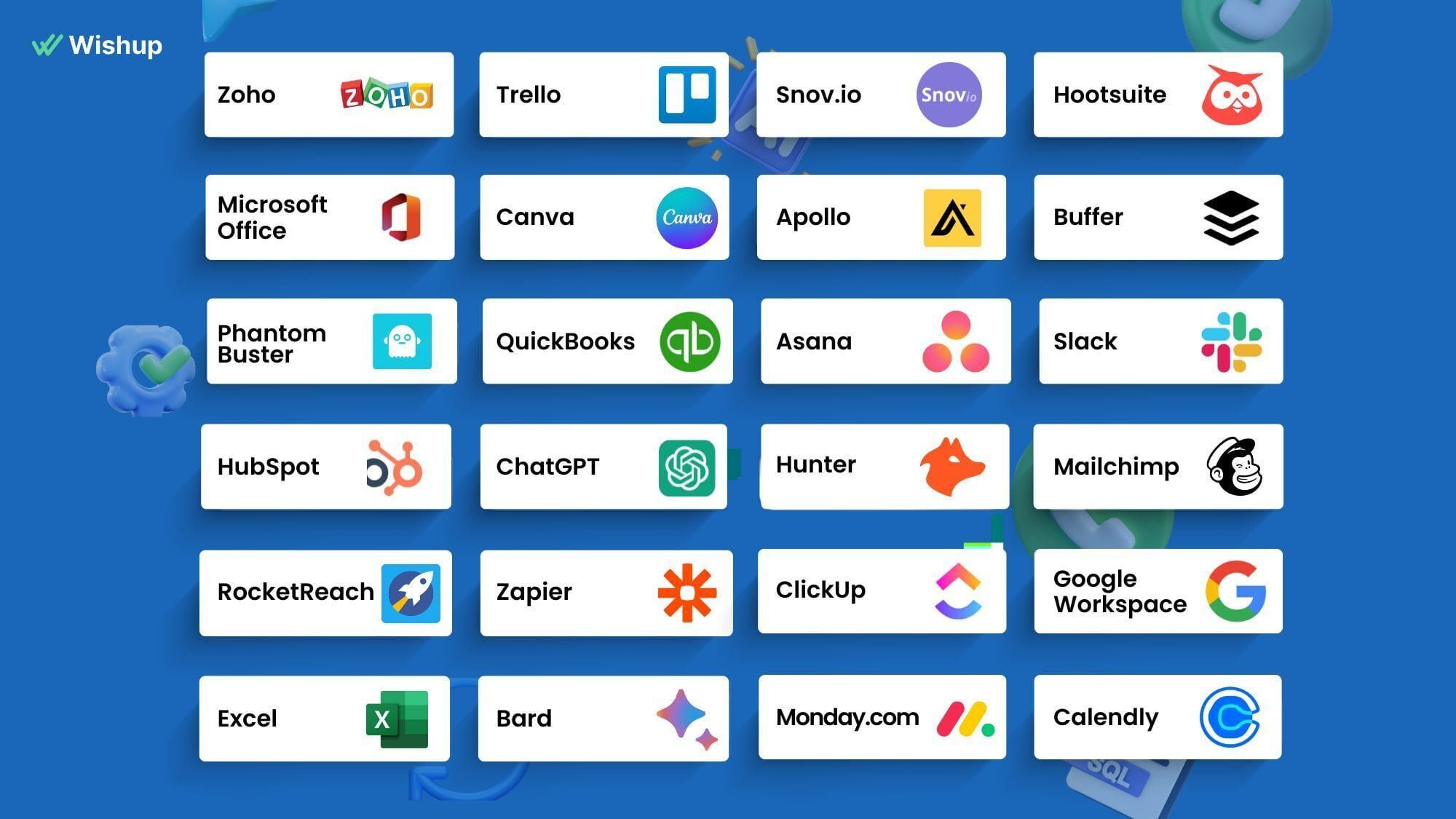
Wishup’s VAs are pre-vetted, aptitude-tested (99.9th percentile), and undergo 150+ hours of legal and tech training. They support tools (Clio, MyCase, PracticePanther, Google Workspace, Microsoft 365, Zapier, n8n, Docassemble, Canva, LinkedIn, etc.) and use workflow automation to ensure consistent, secure legal operations.
As trusted, full-time professionals, Wishup VAs come with guarantees (24h replacement, backup coverage, EOD reports, 5-min SLAs) that solve common outsourcing issues.


Why Legal Operations Matter
Strong operations are critical for productivity and profitability. In many firms, lawyers spend far more time on admin than they should – one report found attorneys bill only 2.9 hours per day, with the rest of their time consumed by non-billable tasks.
By streamlining operations, firms can free up this time. Using dedicated staff or virtual assistants (VAs) to handle admin lets lawyers increase billable hours, reduce errors, and improve client service.
For example, the Clio Legal Trends Report highlights that effective delegation can help firms “increase efficiencies, scale more rapidly, and provide a client-centered experience”.
Moreover, when firm leaders (partners/CEOs) stop handling minutiae, they can focus on strategy and case work – aligning with the principle that firm leaders “shouldn’t be doing non-CEO tasks”.
In practice this means attorneys spend more time on cases and less time on data entry or paperwork.
The Three Pillars of Legal Operations Management for Law Firms
Legal operations management for a law firm generally breaks down into three
areas. Understanding them separately makes it easier to see where your firm
is strong, where things are falling through the cracks, and where extra
support would help most.
1. Client & Case Operations
Everything involved in moving a matter through the firm smoothly, from the
first phone call to case closure.
- Client intake and initial scheduling
- Case and matter management system upkeep
- Document drafting, filing, and organization
- Client communication and status updates
- Calendar and deadline management across active matters
2. Financial & Billing Operations
The revenue engine of the firm — often the area with the highest direct
impact on profitability.
- Time tracking and billing
- Invoicing and collections
- Trust accounting (IOLTA) compliance
- Expense tracking and vendor payments
- Financial reporting for partners/owners
3. Administrative & Compliance Operations
The behind-the-scenes work that keeps the firm functioning and compliant.
- Staffing, scheduling, and HR tasks
- Technology and software management
- Vendor and contractor coordination
- Bar compliance, licensing, and CLE tracking
- Records retention and file management
Most firms don't need someone dedicated to all three full-time — but every
firm needs someone consistently owning each pillar. Where that
responsibility sits (an attorney, an office manager, or outsourced support)
depends on firm size and budget, which is what the rest of this guide walks
through.
For firms wanting to go deeper on any of these areas, the Association of Legal Administrators (ALA) — the leading professional body for legal management professionals since 1971 — publishes benchmarking data, templates, and training specifically for law firm operations. The American Bar Association's Law Practice Division is another strong resource, covering the core areas of running a practice: marketing, management, finance, and technology.
Get 3 of your toughest business operations automated by our VA
1 month complimentary. Your VA works inside the tools you already use — no migration, no disruption.













Helped 982 founders save 40+ hours every week
★★★★★ Trusted by founders worldwide
For instance, Wishup legal operations management virtual assistant can perform duties like client intake, case management, billing, and document drafting as part of a legal VA’s role.
They can list draft court documents (agreements, contracts), handle legal transcription, and bookkeeping among VA services. With the right support, attorneys avoid getting bogged down by these duties.
How Virtual Assistants Improve Legal Operations Management
Virtual assistants (VAs) can dramatically boost a firm’s efficiency. By handling routine tasks consistently and quickly, they reduce bottlenecks.
In practice, a well-trained VA might sort through the inbox every morning, respond to common client questions, schedule appointments, prepare first drafts of documents, and update case management software.
Automations can also help – e.g. a VA might set up a Zapier workflow to automatically add new leads from a contact form into the CRM.
In one case study, a Wishup-trained VA using Clio cut client intake time by 25% for a law firm. That illustrates how the right processes and support let firms serve clients faster.
Overall, outsourcing or delegating these tasks to VAs helps lawyers stay focused on billable work, catch issues early, and maintain a smoother operation.

What Wishup’s Legal Virtual Assistants Offer
Wishup provides a specialized solution for law firms seeking this support.
All Wishup legal VAs are pre-vetted and pre-trained on law firm work.
They undergo an intensive onboarding program (200+ hours of legal-specific training) and learn core legal software (Clio, MyCase, QuickBooks, Westlaw/LexisNexis, etc.) so they fit right into your workflow.
Our virtual assistants are legal experts working in Clio, Westlaw, QuickBooks and more.
The outcome: a VA who can handle tasks like tracking hours in a practice-management system, formatting court filings to local rules, or prepping billing entries without the usual learning curve.
Wishup’s hiring standards are very high. We accept only the top 0.1% of applicants (after rigorous multi-step vetting).
Every VA has a college degree and at least 3 years of professional experience. This means you get seasoned, reliable assistants – not beginners or gig workers.
In fact, our VAs tend to stay on the job: they have an average 36-month retention rate with clients.
By contrast, freelancers or gig-platform VAs often leave for higher pay or inconsistent work. Wishup’s model ensures continuity. If an assistant ever needs to be replaced, Wishup provides a replacement within 24 hours at no extra cost.
Another advantage is the fully managed service. Each Wishup legal operation management VA is supported by a supervisor and a customer success manager. You also gain access to Wishup’s VA management app, which shows the tasks your assistant is working on in real time, tracks hours, and delivers end-of-day or weekly reports.
This transparency means you always know what’s being done.
Wishup also conducts weekly QA reviews and provides consistent feedback. The point is to make the virtual assistant feel like an integrated part of your team without adding your own HR burden.
In terms of reputation and guarantees, Wishup scores highly.
We have a 4.9/5 rating on Clutch and 4.7/5 on Trustpilot, reflecting strong client satisfaction.
Wishup also offers a 7-day trial period or money-back guarantee on new hires, so you can test the fit with minimal risk.
And onboarding is fast. You can have qualified candidates to interview within 60 minutes of sign-up, unlike typical hiring processes.
Pricing and ROI
From a cost perspective, virtual assistants can be much cheaper than full-time staff.
Wishup’s legal operations management virtual assistant plans start at about $1,299/month for a part-time (4-hour/day) assistant and $1,999/month for a full-time (8-hour/day) assistant. (By comparison, a U.S. paralegal costs roughly $58,000–$72,000 per year plus benefits.)
This subscription fee covers recruiting, training, insurance, and payroll, with no additional overhead.
Many law firms find they get a quick return on investment: the VA takes over months of admin work in just a few weeks, freeing partners to do more billable work.
Indeed, we found that clients often recoup the assistant’s cost within the first month through efficiency gains and avoided errors. Overall, outsourcing legal ops to a VA can reduce labor costs and increase output.
Getting Started
To begin, you simply identify the tasks you want to delegate.
Wishup’s team will match you with candidates who have relevant experience. You can interview as many candidates as needed at no cost. We have a 90% success rate on the first match (and 100% by the second).
Once you select a VA, the onboarding is swift: in many cases, your assistant can start work within an hour of the first meeting.
There’s no long-term commitment; you pay month-to-month and can cancel anytime. And as part of the process, Wishup provides training for your specific needs.
The result is a dedicated legal operations management VA who understands your firm’s procedures and technology, backed by Wishup’s ongoing support.
Frequently Asked Questions
What is legal operations management?
Legal operations management is the coordination of all non-legal support functions in a law firm – the admin, financial, and technical processes that keep the firm running. This includes client intake, document workflow, case and calendar management, billing, and compliance tasks. Essentially, it’s the “back office” work behind your legal practice.
What tasks can a legal virtual assistant handle?
A legal VA can handle virtually any administrative or repetitive task that doesn’t require a license to practice law.
Common examples are answering routine client calls or emails, scheduling meetings, drafting and formatting legal documents, maintaining case files, conducting basic legal research, preparing invoices, and updating the firm’s case management system.
Wishup's legal assistants cover “client intake, case file management, legal research, court calendar management, billing and time entry, and document drafting”.
In short, if it isn’t providing legal advice or appearing in court, a trained VA can likely do it.
How does using a VA benefit my law firm?
Hiring a VA frees up your attorneys to focus on billable legal work instead of getting bogged down in paperwork. It also adds flexibility: you only pay for the time you need, with no payroll taxes or benefits. An outsourced assistant can start immediately and you can scale up or down each month. Plus, VAs often deliver tasks faster and with fewer errors, since that’s their full-time job.
A dedicated Wishup legal VA costs far less than hiring another in-house staffer – Wishup pricing plans start at about $1,299/month and many firms quickly recover that cost in saved time.
How long does it take to onboard a Wishup legal operation management virtual assistant?
Very little time. Wishup’s process is designed for speed: after you submit your needs, they match candidates and set up interviews in under an hour.
In many cases, a selected VA can start working for you that same day.
Since Wishup handles recruitment, training, and preliminary screening, the onboarding overhead is minimal. You simply meet the candidate, agree on tasks and priorities, and they get to work.
How does Wishup ensure the quality of its legal operations management VAs?
Quality is ensured through rigorous vetting and training. Wishup only hires the top 0.1% of applicants, requires at least 3 years’ prior experience, and uses a multi-step interview and testing process.
Once hired, VAs undergo 200+ hours of specialized training (legal terminology, software tools, workflow best practices). Wishup also provides each VA with ongoing support: a dedicated success manager, regular performance reviews, and an optional trial period.
If at any point you aren’t satisfied, Wishup will replace the VA (typically within 24 hours) at no additional charge.
How much does a Wishup legal operations management virtual assistant cost?
Wishup uses simple monthly pricing. As of now, plans begin at about $1,299/month for a part-time (4-hour/day) legal operations management assistant, and $1,999/month for a full-time (8-hour/day) assistant.
These rates include all recruitment, training, and ongoing management. There’s no extra fees for interviews or replacements. Compared to the total cost of hiring a salaried paralegal or operations manager, this is often significantly lower. You can start or cancel at any time without a long-term contract.
If you’re ready to delegate your non-legal work, Wishup offers a free consultation to discuss your needs and budget. With a trained legal VA on your team, you’ll find your firm’s operations running much more smoothly.
Who is responsible for legal operations management at a law firm?
At smaller firms, this typically falls to an office manager, paralegal, or the attorneys themselves. Mid-size and larger firms often designate a dedicated operations manager or bring in outsourced support to own it full-time. There's no single standard — it depends on firm size and how much non-legal work needs coordinating.
What's the difference between legal operations and practice management?
The terms overlap, but practice management typically refers to the broader running of a law firm (strategy, growth, client relationships), while legal operations management focuses specifically on the systems and processes — billing, case tracking, document workflow — that keep day-to-day work running smoothly.
Is legal operations management only relevant for large firms?
No. Every firm handles client intake, billing, and case tracking regardless of size — the question is whether those tasks are handled ad hoc or with dedicated processes and ownership. Solo practitioners and small firms often benefit the most from formalizing this, since there's no dedicated staff to absorb the work otherwise.
Conclusion & Next Steps
Efficient legal operations are essential for a law firm’s growth and profitability. A law firm operations management virtual assistant provides the execution layer that legal ops strategies often lack. By delegating routine and tech-heavy tasks to a trained Wishup VA, your firm gains expertise, saves time, and avoids common outsourcing headaches.
Wishup’s managed VA service is built for law firms: it combines legal industry training with professional vetting and guarantees. In just one month of working together, you’ll see how a VA can handle your workflow—from Clio updates to client outreach—at a fraction of the cost of hiring in-house.
