
Family law attorneys juggle complex cases like divorce, custody, support, adoption, and more while managing heavy paperwork and strict deadlines.
Routine tasks like client intake, document preparation, and scheduling can quickly overwhelm a small firm.
A virtual legal assistant provides remote support for these tasks, allowing attorneys to focus on legal strategy and clients.
At Wishup, we match you with virtual assistants who specialize in legal work and understand family law nuances. These assistants handle case administration from anywhere, improving efficiency and work-life balance.



What Is a Virtual Assistant for Family Law Attorneys?
A virtual assistant (VA) for a family law attorney is a trained professional who works remotely to support the practice. Think of a VA as a remote paralegal or legal administrator: they handle the non‑legal work that keeps a case moving.
This includes managing client calls and emails, organizing files, drafting standard forms, and keeping track of deadlines.
Unlike attorneys, virtual assistants do not give legal advice or represent clients, only licensed lawyers can do that.

Remote Legal Support
A family law virtual assistant typically has legal training or experience in family law. They act as an extension of the attorney, taking care of tasks like client intake and scheduling appointments. Because they work remotely, VAs can join your team quickly and flexibly.
For example, Wishup specializes in virtual legal assistant services, matching attorneys with remote assistants who know family law practice areas. Each VA is stringently-vetted and trained to understand terms and procedures in family cases (custody, divorce papers, support forms, etc.), so they jump in fully prepared.
Non‑Legal Case Work
Common duties of a family law virtual assistant include: making phone calls, organizing client information, updating calendars, managing case files, and preparing routine documents like pleadings or court forms. They may also gather evidence, help with discovery, or summarize case notes.
By offloading these tasks to a legal virtual assistant, the attorney handles only the legal judgment and representation aspects of the case. In short, a family law virtual assistant is a skilled assistant who ensures that all the background work runs smoothly under the lawyer’s direction.
In family law practice, a virtual assistant is like a remote paralegal-administrator hybrid. They do the behind-the-scenes work like intake, paperwork, communication, scheduling so the attorney can focus on clients and court.
9 Tasks Handled by Virtual Assistants for Family Law Attorneys
Virtual assistants tackle the routine but time-consuming tasks that are common in family law cases. By assigning these duties to a virtual assistant, attorneys get more time for legal strategy and client work.
Below are some typical areas of support:
Administrative Tasks
Family law attorneys deal with high volumes of paperwork, deadlines, and client communication every day. A virtual assistant helps manage these operational tasks so attorneys can focus on legal strategy and court representation.
In family law firms, administrative support may include updating case management systems, maintaining billing records, tracking court deadlines, managing emails, and preparing client intake information.
For example, during a divorce or child custody case, a VA can update notes from mediation sessions and organize communication records for quick access.

This support improves workflow consistency and reduces delays in active family law matters.
Client Communication and Case Intake
A legal virtual assistant for family law attorneys screens new inquiries, manages client communications, and conducts intake interviews. They answer routine questions, gather case details, and keep clients updated on status.

For example, a client intake virtual assistant might schedule a new client’s initial consultation or collect financial documents for a divorce case. By coordinating calls and emails, the VA ensures no client message is missed and that urgent matters get on the attorney’s calendar.
Answering Phone Calls
Family law clients usually contact firms during emotionally stressful situations. Calls related to divorce, custody disputes, protective orders, or child support issues require timely and professional responses.
A virtual assistant can answer incoming calls, collect preliminary case details, route urgent matters to attorneys, and follow up with existing clients. For example, if a client calls regarding an emergency custody hearing, the VA can immediately notify the attorney and schedule the required consultation.
This helps family law firms maintain faster response times and better client communication.
Document Preparation and Legal Forms
Family law involves a constant stream of standardized paperwork, divorce petitions, custody agreements, parenting plans, child support worksheets, adoption paperwork, name-change forms, and financial disclosures. A virtual assistant drafts these using firm templates and current court rules, formats them correctly for filing, and can handle e-filing logistics (the attorney still reviews and submits).
Beyond initial drafting, VAs prepare supporting materials: asset division worksheets, witness affidavits, separation agreements, and pleadings (complaints, answers, motions) - assembled and ready for attorney review.
The attorney remains responsible for legal review and signing; VAs cannot practice law independently.
Scheduling, Deadlines, and Court Coordination
Missed dates are one of the costliest mistakes in family law. A VA maintains the master case calendar — hearings, mediator sessions, client consultations, and deposition schedules — and sets reminders ahead of every filing deadline.
They also handle the coordination this requires: syncing schedules with opposing counsel, expert witnesses, and the court so nothing conflicts. During a contested divorce, for example, a VA might coordinate a single deposition date across the court, opposing counsel, an expert witness, and the client in the same week.
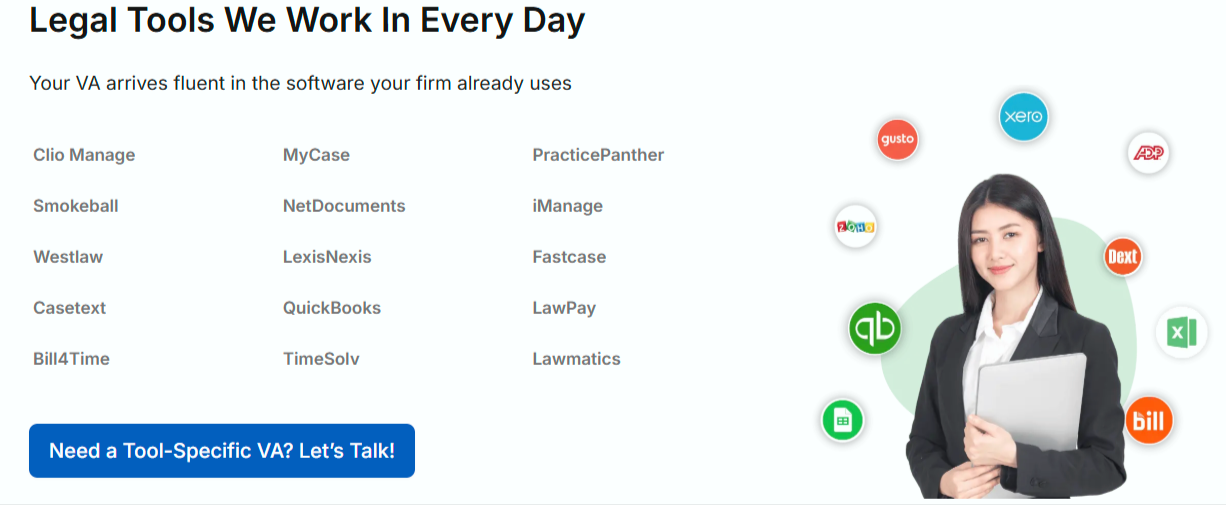
Wishup's legal VAs are trained on standard case management software (Clio, MyCase) to log and track these dates automatically.
Legal Research and Discovery Assistance
While a virtual assistant for family law attorneys cannot give legal advice, they can conduct legal research to support case strategy. This includes looking up statutes, local court rules, or case law relevant to a custody dispute or divorce issue. They summarize findings for the attorney’s review.
Virtual assistants also help with discovery: collecting documents from clients (like bank records or medical bills), organizing evidence, and preparing discovery responses under direction.
A VA might compile an index of all discovery responses or convert deposition transcripts into summaries, allowing the lawyer to focus on analysis.
Copy Legal Documents
Family law cases involve large amounts of documentation. These may include financial affidavits, parenting plans, custody agreements, separation agreements, interrogatories, court notices, and mediation records.
A virtual assistant can manage document copying, scanning, labeling, and digital filing. In divorce proceedings, attorneys may need multiple copies of financial disclosures and property records for court filings, opposing counsel, and internal review.
Proper document handling reduces filing errors and improves document accessibility during active litigation.
Organize Client Case Files
Family law attorneys handle multiple active matters simultaneously. Each case may contain financial records, custody schedules, medical records, discovery documents, witness statements, and court filings.
A virtual assistant helps maintain structured digital and physical case files. For example, in child support disputes, a VA can organize income documents, payment history, and court correspondence into categorized folders for faster retrieval.
Well-organized files help attorneys prepare for hearings, mediations, and depositions without wasting time searching for documents.
Scheduling Hearings, Appointments, and Depositions
Family law litigation depends heavily on court schedules and filing deadlines. Missed hearings or delayed scheduling can negatively affect case progress.
A virtual assistant can coordinate attorney calendars, court appearances, mediation sessions, client consultations, and deposition schedules. For example, during a contested divorce case, the VA may coordinate dates between the court, opposing counsel, expert witnesses, and the client.
This helps family law firms maintain smoother case progression and reduces scheduling conflicts.
Billing
Beyond case-specific tasks, family law firms need general office support. VAs handle billing, invoicing, and trust accounting tasks. They may manage client ledgers, prepare invoices, or reconcile trust accounts (e.g. IOLTA disbursements). Administrative duties like data entry, file copying, and organizing email correspondence also fall under a VA’s remit.
For example, Wishup’s platform includes bookkeeping services specialized for law firms (QuickBooks, LawPay reconciliation, IOLTA compliance). By offloading these routine operations, the firm runs more smoothly with fewer errors.
Virtual assistants perform a wide range of family‑law tasks – from answering client calls and research to drafting pleadings, managing discovery, and handling billing. By covering both legal and administrative work, a VA streamlines the flow of a case from start to finish.
Benefits of Virtual Assistants for Family Law Attorneys
Hiring a virtual assistant brings clear advantages to a family law practice. These benefits translate into cost savings, greater capacity, and less stress for attorneys and staff.
Save Time on Routine Work
A Family Law Virtual Assistant handles repetitive tasks so lawyers don’t have to. Instead of spending hours on data entry, document formatting, or phone tags, an attorney’s time is freed up for client consultations and courtroom work.

This boost in efficiency means cases move faster. For instance, having an assistant schedule hearings and file documents promptly reduces backlog.
Cut Overhead and Recruitment Costs
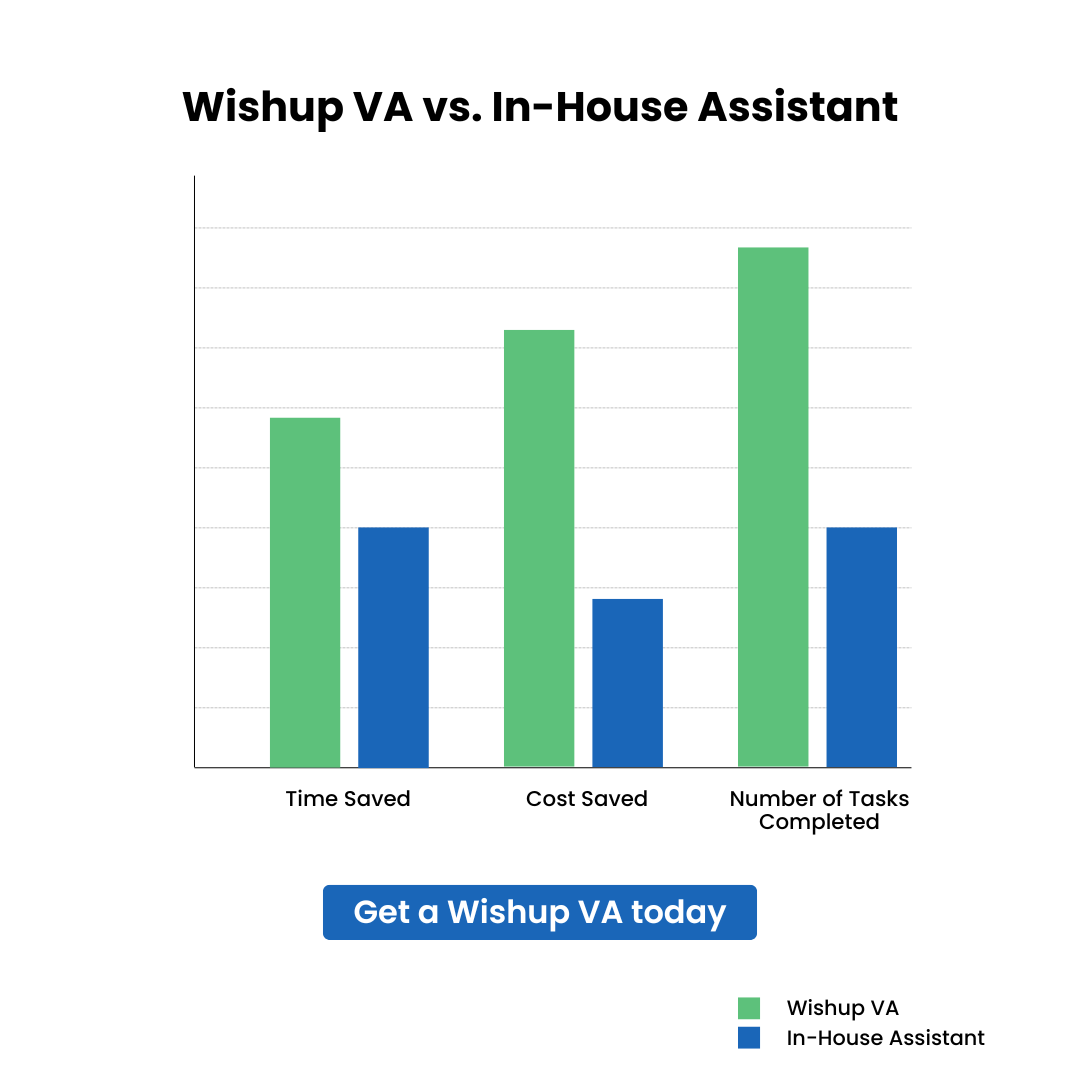
A virtual assistant is typically more affordable than a full-time employee. You pay only for the support you need without expenses like benefits, office space, or payroll taxes.
According to industry data, virtual paralegal or legal assistant rates range roughly $25–$75 per hour. By contrast, a U.S. paralegal’s salary averages from entry-level starting point of $36,445 to over $105,000 annually for senior-level professionals with significant experience and specialized expertise. Even compared to a part-time or freelance hire, a dedicated VA plan provides more consistency.
For example, Wishup’s legal assistant plans start at $1,299 per month (4 hours/day) which can cover many hours of work per week. By using a VA, firms avoid long-term commitments and can scale support up or down easily.
Increase Case Capacity and Flexibility
With a family law virtual assistant to handle back-end work, attorneys can take on more cases. Tasks no longer bottleneck because of limited staffing. A virtual assistant can work the hours you need—attorneys can add more time when caseload grows or scale back during slower periods. This flexibility is especially helpful for solo or small firms.
Wishup, for example, promises to deploy a vetted VA in 60 minutes, meaning you get immediate help when you need it. No lengthy hiring process is required.

In practice, one high-skill assistant from Wishup can cover the roles of multiple hires: calendar management, client communication, legal research, and billing.
This multi-role capability (backed by AI and training) means you might need one VA instead of three separate employees, saving significant cost and coordination headache.
Improve Work-Life Balance
Family law attorneys face emotional and complex cases. By delegating administrative burden, attorneys experience less burnout and stress. Time saved can be used for high-value billable work or even personal time.
A VA helps maintain better work-life balance by taking over tasks that would otherwise bleed into evenings or weekends. Many attorneys report that having reliable support (a trained VA) makes long caseloads manageable.
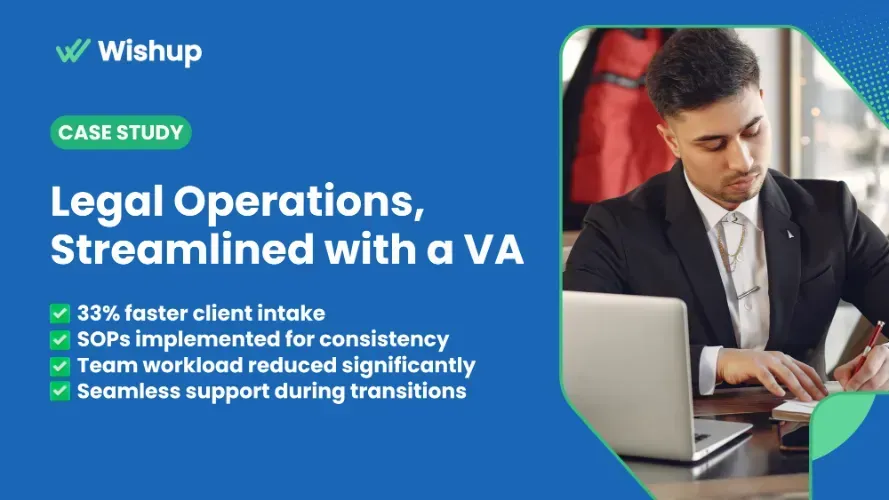
In effect, the firm gains “additional legal support” without overburdening the lawyer.
Using virtual assistants in a family law practice saves money and time. Attorneys can grow their practice and improve client service without the costs of full-time staff. The flexibility of virtual staffing lets firms adapt quickly to changing workloads.
Why Choose Wishup’s Virtual Assistants for Family Law Firms
Not all virtual assistants are alike. Wishup has several features that make its VAs a strong fit for family law attorneys:
Specialized Legal Training and Vetting
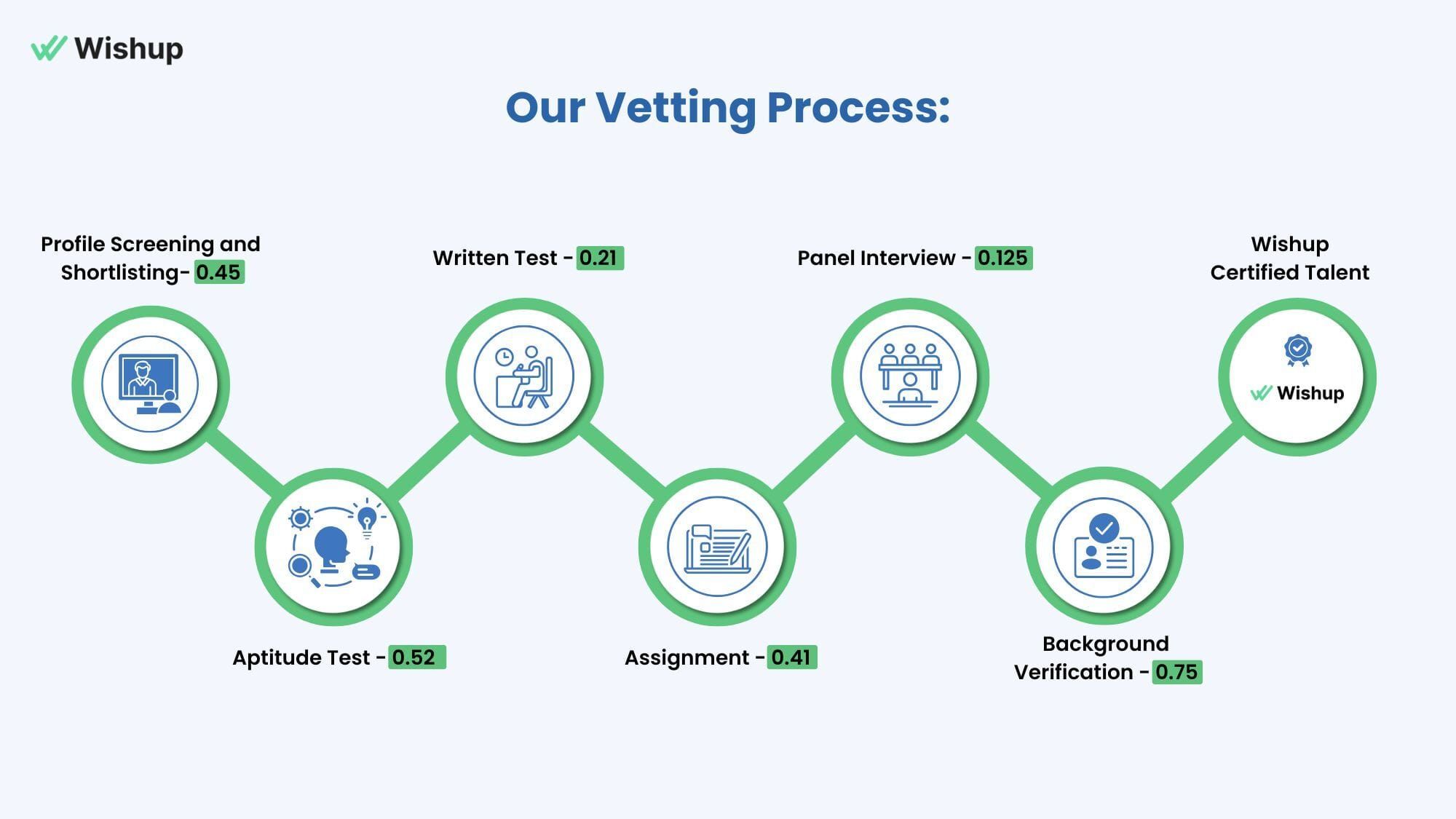
Wishup VAs undergo rigorous screening and training. Only the top 0.1% of candidates pass our six-step hiring process.
Every assistant has at least 3+ years of professional experience and completes 8 weeks of hands-on training in legal tasks.
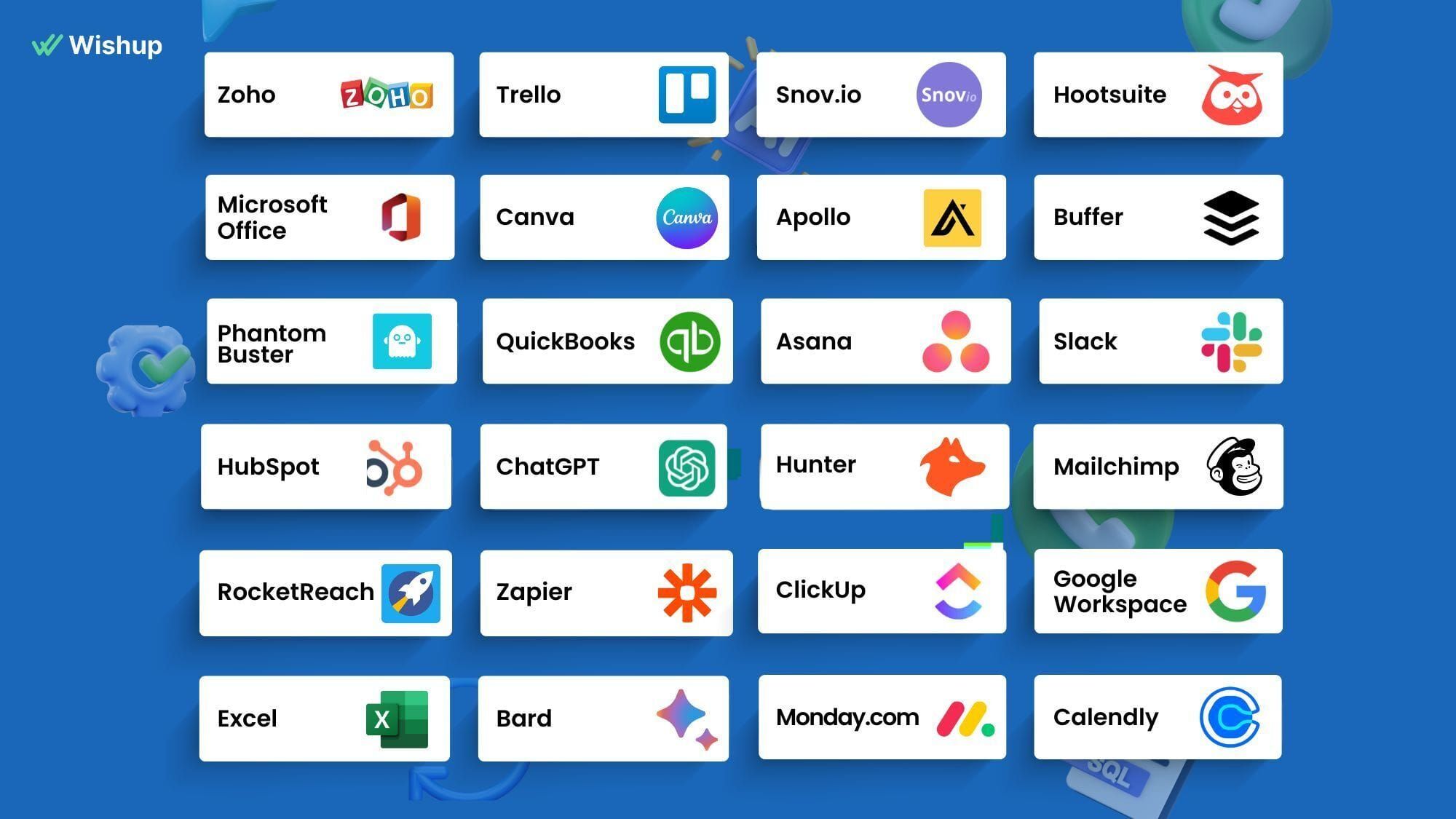
They are trained on family law procedures, legal software (Clio, Westlaw, etc.), and 150+ AI or automation tools. This ensures your VA can handle tasks like document drafting or research with high accuracy.
We also match you with a VA who has specific experience in family law, not just a generalist. That means your assistant already knows family-law terminology and common case types from day one.
Fast Onboarding and Ongoing Support
With Wishup, you get a dedicated VA in as little as 60 minutes. There’s no long hiring waitlist. Once matched, we provide a customer success manager and VA manager at no extra cost, so there’s always someone overseeing your assistant.
We also guarantee an instant replacement if your VA leaves, and backup coverage if your VA is on leave. This managed service model takes the HR headache away. You focus on work; we handle training, monitoring, and quality checks.
Regular QA reviews and SOP adherence checks ensure your VA maintains high standards in family law tasks.
Enterprise-Grade Security and Reliability
Legal work demands confidentiality and precision. Wishup VAs adhere to strict security protocols: signed NDAs, secure systems, and 24/7 monitoring of workflows.
Our US-based VAs (if chosen) even have verified U.S. background checks and compliance know-how.
Thanks to this structure, over 1200 clients trust Wishup to securely delegate work. Our high ratings (4.9 on Clutch, 4.8 on Trustpilot) reflect that clients find our service reliable and professional.
Wishup’s virtual legal assistants combine legal know-how, intensive training, and managed support. Attorneys in family law can delegate with confidence, knowing the assistant is carefully vetted and backed by Wishup’s team.
Cost of Virtual Assistants for Family Law Attorneys
How much does this support cost?
Below is an overview and comparison. In general, virtual assistant pricing depends on service level and hours:
- Wishup Plans: Wishup offers tiered monthly plans. For example, a Prime VA (trained in general admin and legal tasks) starts at $1,299 per month for 4 hours/day (part-time) or $1,999/month for 8 hours/day (full-time). An Elite VA (more experienced, handles complex tasks and small projects) is $1,999/month (4h) or $2,999/month (8h). If you want a U.S.-based VA, the prices are higher: about $3,000/month (4h) or $5,400/month (8h). These plans include training, support, and an onboarding guarantee.
- Freelance/Hourly Assistants: Hourly rates vary widely. U.S.-based freelance legal VAs often charge between $25 and $75 per hour depending on experience. That works out to roughly $2,000–$6,000 per month for a steady part-time VA (20–40 hrs/week). Some charge flat fees or monthly retainers (often $1,000–$3,000) for a fixed number of hours. While flexible, freelance pricing can add up if you need consistent help.
- In-House Paralegal: Hiring an employee is the most expensive option. The average paralegal salary is from $36,445 to over $105,000 annually for senior-level professionals with significant experience and specialized expertise plus benefits and taxes. You also incur overhead costs (office space, training, etc.). Virtual assistants eliminate most of that overhead.
Virtual assistant costs can fit many budgets. As the table shows, a Wishup plan provides full-time support at a fixed monthly rate – often competitive with, or lower than, hiring a single in-house paralegal. Freelance or part-time help may seem cheaper per hour, but lack guarantees and management. Many family law firms find that a subscription VA model (like Wishup’s) yields the best value: you get a highly trained assistant, reliable hours, and support for one flat fee.
In the U.S., these services save attorneys thousands compared to full-time hires. For instance, one review notes that hiring a virtual paralegal on retainer ($1,500–$2,500/month) gives “consistent support” without a full salary. At Wishup, plans begin at $1,299/month, and that fee includes built-in training and support – something you wouldn’t get with an hourly freelancer.
Virtual assistant services range from around $1,000 to $5,000 per month depending on hours and expertise. Wishup’s plans are transparent (no hidden fees) and can be a cost-effective alternative to hiring staff. As the table illustrates, attorneys can choose the level of service that fits their caseload.
🚀 Meet Wishup in 30 Seconds
- ✅ 10+ years in the industry
- ✅ 1,500+ founders served across 50+ industries
- ✅ 200+ skill areas, 70+ no-code tools, 50+ AI tools
- ✅ Clients from Harvard and Y Combinator-backed startups
- ✅ Onboards trained VAs in just 60 minutes
- ✅ 98.8% client satisfaction | 99% on-time delivery
- ✅ Top 0.1% talent only – pre-vetted & ready to start
- ✅ 6-step vetting process (aptitude, cognitive, English, and more)
- ✅ Flexible plans starting at $1299/month — no long-term contracts
- ✅ Lifetime satisfaction guarantee
Conclusion
A virtual assistant for family law is a remote legal support specialist handling client intake, document prep, calendaring, research and more. By delegating routine work, family law attorneys save time and money.
Wishup offers fully managed virtual assistant plans designed for law practices, with trained VAs matched to family law needs. With flexible pricing and rapid onboarding, a Wishup VA can be onboarded in just 60 minutes.
This allows law firms to scale support for family law cases without growing headcount. By leveraging a Wishup legal assistant, a family law practice can run more smoothly, efficiently, and profitably than ever before.
Schedule a 30 minute call today and hire a family law virtual assistant in 60 minutes.
Frequently Asked Questions
What's the difference between a virtual legal assistant and a paralegal?
A paralegal can perform substantive legal work under attorney supervision, like drafting legal arguments or assisting with case strategy. A virtual legal assistant focuses on administrative and procedural support — intake, scheduling, document prep, and case file organization — freeing the attorney or in-house paralegal to focus on legal judgment.
Can a virtual assistant file court documents for my family law case?
A virtual assistant can prepare, format, and organize documents for filing, and handle e-filing logistics where permitted. The attorney remains responsible for reviewing and submitting all legal filings — VAs support the process but do not practice law or file independently.
Is client information confidential when using a virtual legal assistant?
Yes. Wishup's legal VAs sign NDAs before starting, go through background checks, and are trained on confidentiality standards specific to legal work. Firms should still limit VA access to only the case files relevant to their assigned tasks, as with any staff member.
How much does a virtual legal assistant cost for a family law practice?
Costs vary by hours and experience level, but a virtual legal assistant typically costs a fraction of a full-time in-house paralegal once salary, benefits, and overhead are factored in. See the pricing comparison table above for a full breakdown.
How quickly can I onboard a virtual legal assistant?
With Wishup, firms can be matched with a trained legal virtual assistant in as little as 60 minutes, since candidates are pre-vetted and trained before matching — there's no recruitment or interview cycle to run first.
Does a virtual legal assistant replace an in-house paralegal?
Not necessarily — many firms use both. A virtual legal assistant is often the faster, lower-cost option for administrative and intake work, while an in-house paralegal or attorney continues to handle substantive legal tasks that require direct supervision.

Neelesh Rangwani · Co-founder at Wishup
With 10+ years in the virtual assistant space, Neelesh has helped 1000+ founders build efficient remote teams by matching them with top 0.1% virtual assistant talent. He writes about VA pricing, hiring frameworks, remote productivity, and scaling ops.
More posts by Neelesh → · Connect on LinkedIn