

Are you noticing a backlog in your practice that nobody has time to clear? Or is missing paperwork leading to cases being cancelled? If these are the pain points you have been noticing across your practice, then what you need is a virtual surgical scheduler.
However, if you are lost on how to hire a virtual surgical scheduler, then we have got a guide for you. By the end of this blog, you will be able to:
- Learn how to hire a virtual surgical scheduler with cleared out, step-by-step demonstration
- Learn the signs that you need to hire one
- What they would cover and what they wouldn’t do for you
- Whether you should go in-house or use a managed service provider
- How much it would cost to hire a virtual surgical scheduler

Hire a virtual surgical scheduler via Wishup, with plans starting at $1,299 per month and onboarding in as little as 60 minutes.
What a Virtual Surgical Scheduler Handles, and What They Don't
A virtual surgical scheduler books cases against surgeon block time and facility capacity. Then they coordinate with OR and ancillary departments to prevent conflicts.
In parallel, they run pre-op confirmation outreach, collect consent and paperwork. If it is cancelled, the virtual surgical scheduler rebooks the cancelled slots.
Their whole task revolves around scheduling for the surgery procedure and is distinct from general appointment booking. It is different since it requires reading block schedules and facility availability, not just a calendar.
The role tracks authorization status on a scheduled case and escalates when a pending authorization threatens the case date. However, it does not submit authorization requests, work denials, or manage appeals.
This is a separate workflow with its own payer-specific requirements. To know more about it, read our how to hire a prior authorization virtual assistant.
It also doesn't cover inbound call handling or general front-desk appointment booking. This is the job of a virtual medical receptionist.
Signs Your Practice Needs a Virtual Surgical Scheduler
How will you know whether your practice needs a virtual surgical scheduler? Following are some of the points that will work as an indicator that you need to hire a virtual surgical scheduler:
- If cases are cancelling same-day over missing paperwork or unclear authorization status
- If the blocked time goes unused because of lack of ownership over backfilling a cancelled slot
- If scheduling gets handled by whoever happens to be free and it does not have a dedicated owner
- If pre-op confirmation calls happen late in the day and it is inconsistent or does not happen at all
- If one person is juggling scheduling, front desk, and authorization tracking at once, and some of it is going unnoticed.
- If the surgeon or practice manager is personally chasing patients for consent forms
If there is more than one point happening across your practice, then it is indicative that you need help, and this pattern needs to be stopped.

In-House vs. Virtual Surgical Scheduler: Who To Hire?
If you have learnt that you need to hire a virtual surgical scheduler, then it is time to consider first whether you need to have an in-house hire, or go with a virtual surgical scheduler. Let us share with you where the difference lies.
The real differences between an in-house and a virtual surgical scheduler lie in cost, coverage hours, ramp time, and what happens when the person leaves. Let us cover these parts one by one.
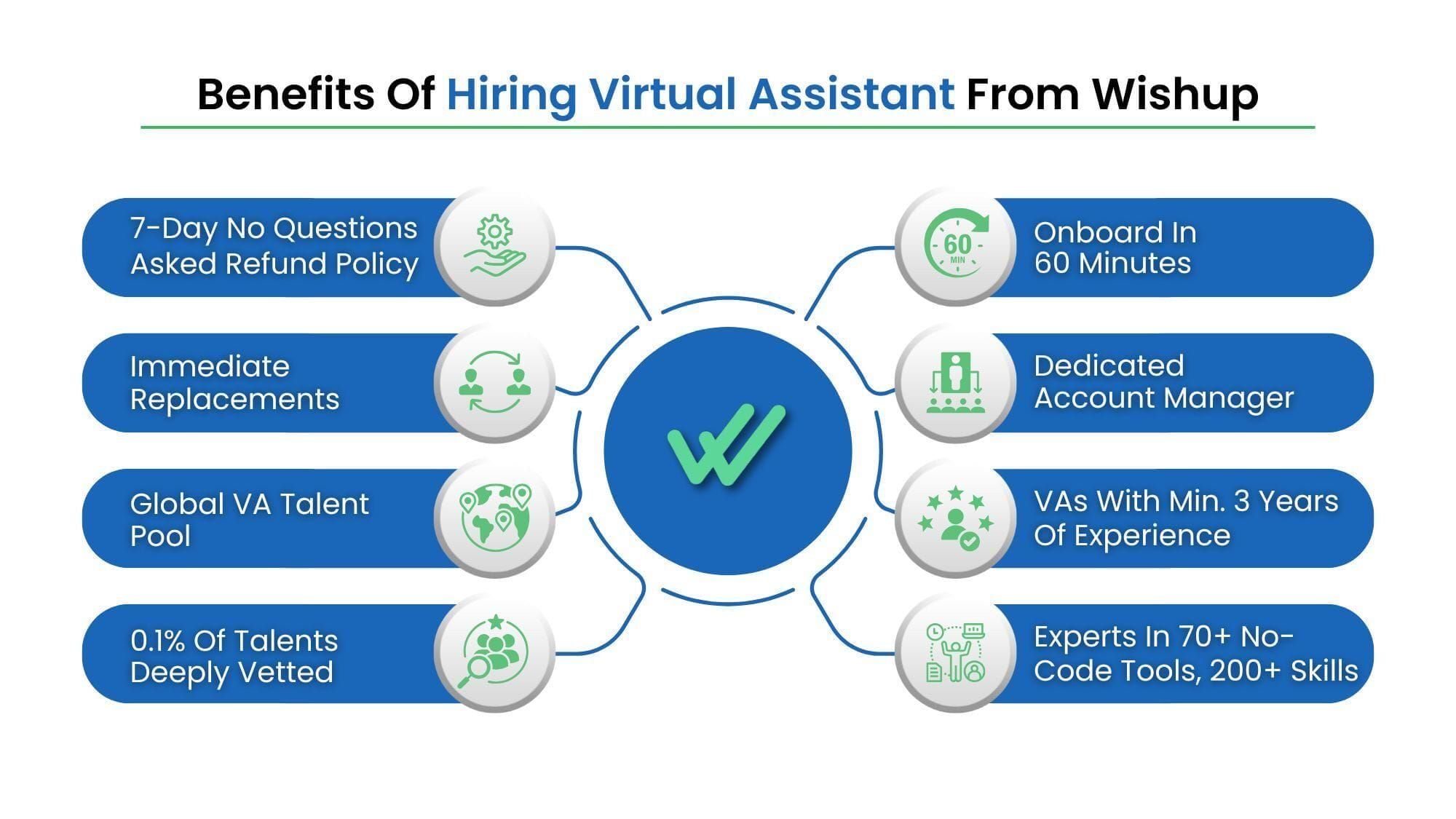
- If you go for a freelancer, that might end up costing you up to $25 hourly. A full-time in-house hire would cost roughly $37,000 to $54,000 annually before benefits and payroll tax are added. However, a managed service like Wishup would provide you with the same service, starting at just $1299.
- Coverage is another important factor that could weigh in on your decision. Pre-op confirmation calls often take place outside standard clinic hours. In such a case, a virtual surgical scheduler can work well.
- Onboarding is another active point. Generally, an in-house hire takes up to a month, and they might take another month to learn to work around your practice. However, a managed service such as Wishup can provide you with a pre-trained virtual surgical scheduler within 60 minutes. Not only do you get to interview them to assess whether they fit into your practice, but you also get a supervising account manager who monitors their tasks. Moreover, when they take leave, your system and process stay on as another scheduler takes their place to keep the machine running.
Cost and coverage only matter once scope is defined. That's the first real step in hiring one.
How to Hire a Virtual Surgical Scheduler Efficiently?
A virtual surgical scheduler can be hired in six easy steps. Each step has been elaborated below:
Step 1: You must define the scope before you post anything
An undefined scope could lead to a bad hire. You must decide what stays with the scheduler and what stays with the front desk and billing team. Since there is an overlap, you must create a handoffs break down later. So:
- Write down which systems they'll need access to
- What permission level each requires.
- Decide the actual coverage window needed, not the clinic's open hours.
A scheduler hired without this defined ends up either duplicating work the front desk already does, or missing coverage during the exact hours cases get confirmed or cancelled.
Step 2: Decide where to hire the scheduler from
There are three sourcing paths for a virtual surgical scheduler, and each has different risk.
- Job boards and direct hire: With job boards, you will end up handling sourcing, vetting, and training. Even the replacement risk stays entirely on the practice.
- Freelance marketplaces: This option offers you a lower hourly rate with no built-in vetting system. You will still have to vet, interview, and assess yourself. Moreover, if the scheduler underperforms or leaves, continuity risk rests on the practice, and there's often no backup or replacement path.
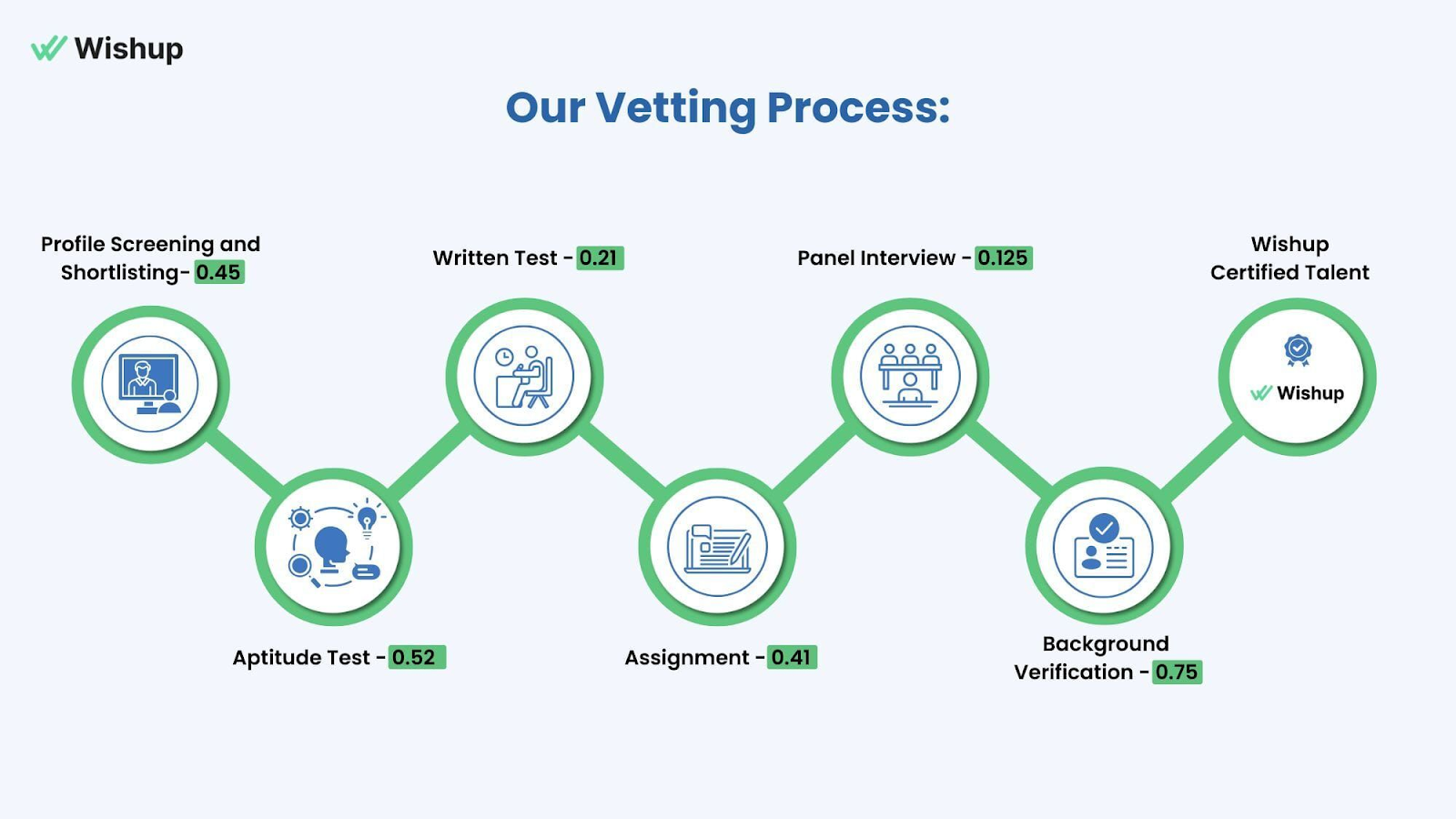
- Managed VA services: Managed VA services include vetting, training, and replacement as part of the engagement. The trade-off is a higher monthly rate than a freelance marketplace, in exchange for not carrying the vetting and continuity risk alone. Take Wishup as an example.
Step 3: Check the signs for what to look for in a candidate
The right candidate would have experience booking cases against surgeon block time, not just handling general appointment scheduling.
Beyond that:
- They should have familiarity with practice management and EHR systems relevant to surgical scheduling. This is broadly covered in more depth in the EHR software guide for healthcare virtual assistants
- They should be comfortable making outbound patient calls, not just answering inbound ones
- They should have a working understanding of why cases get cancelled and what prevents it
- Apart from that, there should be strong written communication skills, since most day-to-day coordination happens in messages and notes, not calls
- Lastly, there should be availability that actually matches the practice's pre-op call window, not just standard business hours
Step 4: Know the interview questions that actually tell you something
Asking generic VA questions in an interview will only take you so far in terms of understanding whether a candidate is the right fit. However, specific questions below can give you a sneak peek into their skills, understanding of their role, and more:
- Ask "Walk me through booking a case when the surgeon's block is full, and the patient needs it within two weeks." This reveals whether they understand block constraints or just default to "check the calendar."
- Give them a scenario and ask "A patient hasn't returned their consent form and surgery is in three days. What do you do?" Shows whether they escalate proactively or wait passively for the deadline to arrive.
- Ask directly "How do you decide which cancelled slot to backfill first?" Tests whether they think about prioritization or just fill slots in the order they notice them.
- Ask "Describe how you'd hand off to the front desk at the end of your shift." Shows whether they understand the boundary between scheduling and front-desk ownership.
- Ask "What would make you escalate to the surgeon rather than handle it yourself?" Separates candidates who know their limits from ones who either escalate everything or nothing.
- Throw them a scenario and ask, "Tell me about a time a case almost fell through. What did you do?" Surfaces real experience versus rehearsed answers.
- "How do you track which cases have pending authorization status?" Confirms they understand tracking and escalation without drifting into submission or appeals work.
- Ask them a situational question such as "What's your process for confirming a case the night before if the patient doesn't answer the first call?" This tests persistence and follow-through on pre-op outreach.
- Again, ask them a conflict-based situational question like "How would you handle two surgeons wanting the same open slot?" This reveals their conflict-resolution judgment under real scheduling pressure.
- Ask them, "What questions do you have about our block schedule and surgeon preferences?" This will help you understand whether the candidate has real experience because the questions they ask will be specific to the situation.
Step 5: Give them a trial task to assess everything
Set a short, realistic scenario that reveals more than any interview answer. Give the candidate a mock case booking with a scheduling conflict, or a set of pre-op confirmations to sequence and prioritize.
Grade the task on four things:
- accuracy of the booking or sequencing,
- what they chose to escalate versus handle themselves,
- how clearly they documented their steps, and
- the tone they used in any patient-facing communication.
Although this might take an extra day to get the right person, this will showcase whether the candidate shows good judgment and showcases skill that can transform this into a good experience for every party involved.
Step 6: Onboard them and have the SOP for the first 30 days ready
Onboard them and map out the SOP for the first thirty days for better assessment of the situation.
- First week: Create an SOP with the practice’s booking rules. It might include block schedules, surgeon preferences, appointment types, and who to escalate to for each scenario. Hand over live case booking gradually, starting with lower-complexity slots before full ownership.
- By week four: The virtual surgical scheduler should be running the full workflow independently. However, there should be a daily or weekly summaries back to the practice manager.
- At the 30-day mark: Assess four things. The cancellation rate, block utilization, pre-op call completion rate, and how often escalations were handled correctly versus missed. These four numbers tell you whether the hire is working before a full quarter has passed.
Red Flags to Mind When Hiring a Virtual Surgical Scheduler
The following are some warning signs that consistently predict a bad hire before the first case gets booked.
- If the candidate describes only inbound appointment booking, with no mention of case coordination or block scheduling
- If the scheduler shows no experience working with surgeon availability or block time specifically
- There's no named point of contact for escalations when something goes wrong
- The quoted rate sits far below market with no explanation of how vetting or training is covered
What you need is accountability and ownership. If any of these signs ring a bell for you, then it means there is a risk that falls onto your practice. What you need to avail is a service that comes with backup coverage or vetting in case it falls through.
What Does HIPAA and Data Access Mean for a Virtual Surgical Scheduler?
A virtual surgical scheduler needs access to scheduling systems, patient contact information, and consent documentation, nothing beyond what the role requires to book and confirm cases. Require a signed NDA and confirm the scheduler works under role-based, permission-limited access rather than full EHR access.
What It Costs to Hire a Virtual Surgical Scheduler, and Where to Get One?
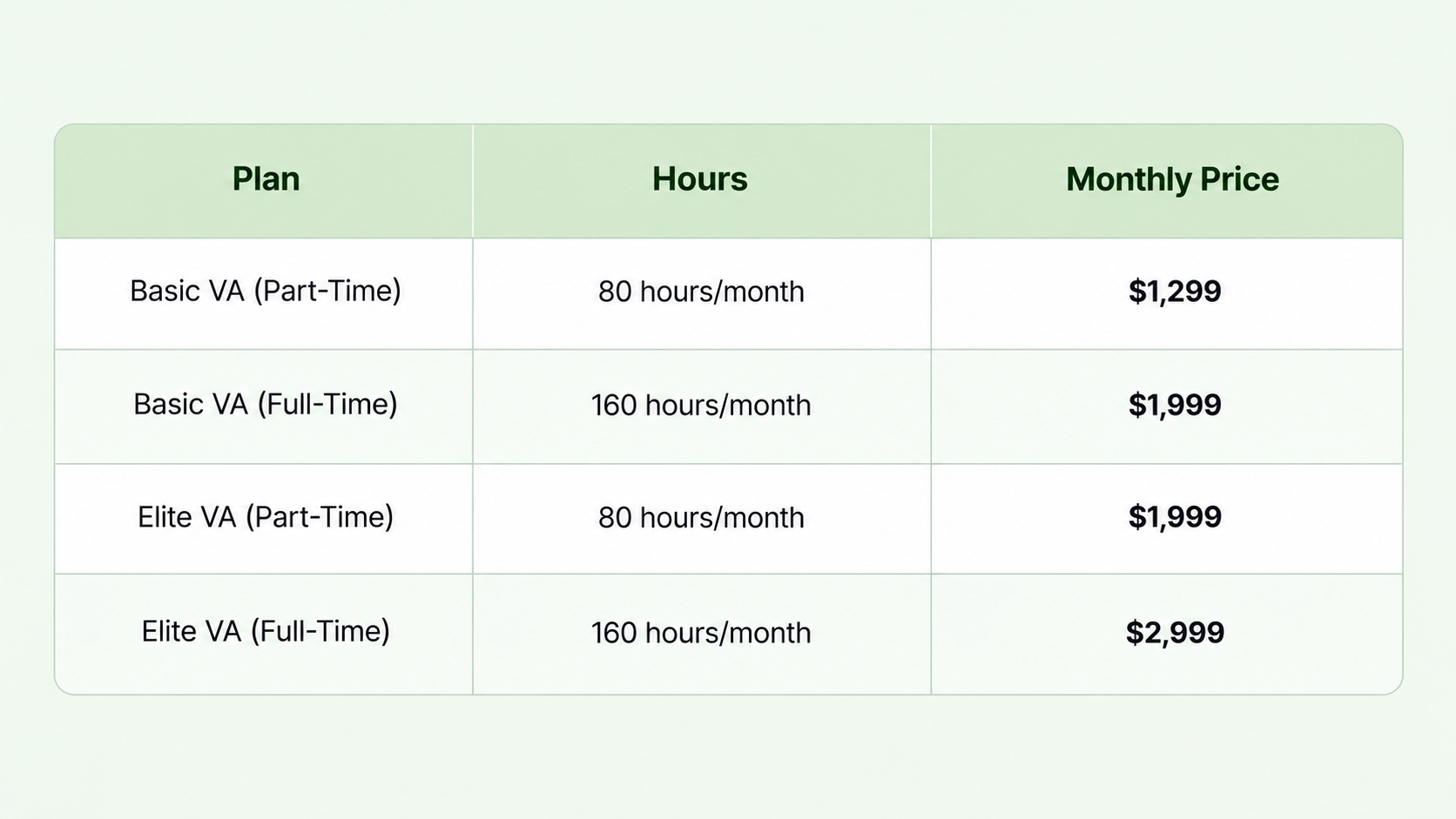
A virtual surgical scheduler costs $1,299 to $2,999 per month through Wishup, or $23,988 annually for full-time coverage, compared to an in-house hire before benefits and payroll taxes, based on the $18–26/hour market rate for remote surgical scheduler roles.
A freelance marketplace hire may quote a lower hourly rate than either option, but the vetting and continuity risk sit entirely with the practice. You do not get a replacement guarantee, no oversight, no training investment behind the person you're evaluating.
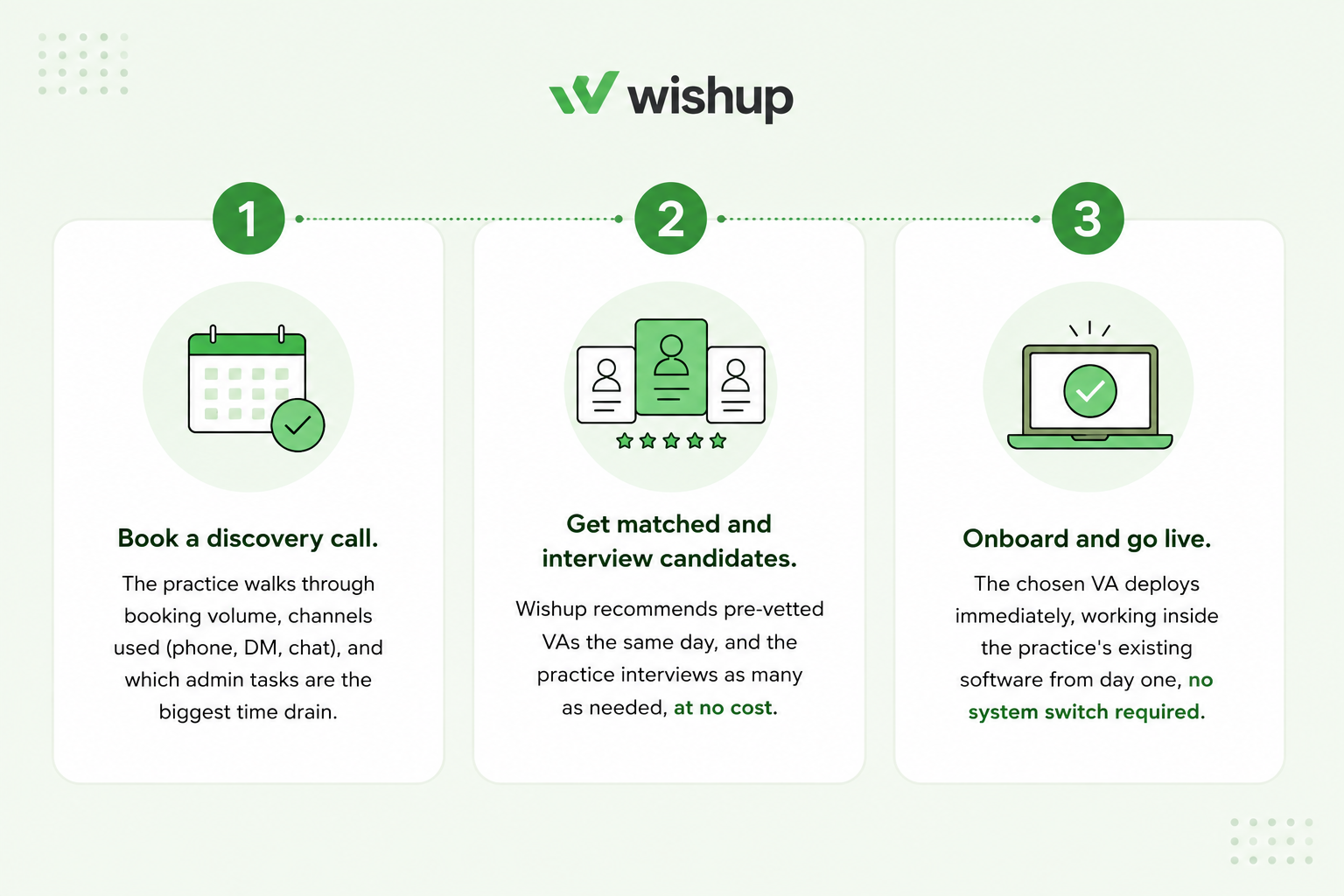
However, Wishup builds the two protections woven into its services, and the onboarding is easy as well. It only takes 60 minutes for you to get started with the virtual surgical scheduler.
Last Words
Hiring a virtual surgical scheduler comes down to three decisions: you defining the scope clearly, choosing a sourcing path that matches how much risk your practice wants to own, and testing judgment with a real trial task before committing. Get those three right, and the rest, including onboarding, coverage, and the 30-day check-in, happens naturally.
Frequently Asked Questions on Hiring a Virtual Surgical Scheduler
What does a virtual surgical scheduler do?
A virtual surgical scheduler books cases against surgeon block time and facility capacity, coordinates with OR and ancillary departments to avoid conflicts, runs pre-op confirmation outreach, collects consent and paperwork, and rebooks cancelled slots. Clinical judgment, coding, and authorization submissions stay outside the role.
Can a virtual surgical scheduler work inside our practice management system?
Yes. A qualified virtual surgical scheduler works inside the practice's existing EHR and scheduling software, with role-based, permission-limited access set up during onboarding, rather than requiring the practice to switch systems.
How much does a virtual surgical scheduler cost compared to an in-house hire?
A virtual surgical scheduler through Wishup costs $1,299 to $2,999 per month, or $23,988 annually full-time. An in-house hire costs $37,000 to $54,000 a year based on the $18-26/hour national market rate, before benefits and payroll tax are added.
What should I ask in a virtual surgical scheduler interview?
Ask scenario-based questions specific to case booking: how they'd handle a full surgeon block with an urgent patient need, what makes them escalate versus handle an issue themselves, and how they prioritize which cancelled slot to backfill first. Generic virtual assistant interview questions won't surface whether a candidate can actually run case scheduling.
Is a virtual surgical scheduler HIPAA compliant?
Yes, when hired through a provider that signs an NDA, restricts access to role-based permissions, and trains schedulers on HIPAA-trained handling of PHI. Confirm this directly with any provider before granting system access.
Can a virtual surgical scheduler handle prior authorization?
A virtual surgical scheduler tracks authorization status on a scheduled case and escalates when a pending authorization threatens the case date. Submitting requests, working denials, and managing appeals is a separate workflow, covered in how to hire a prior authorization virtual assistant.
